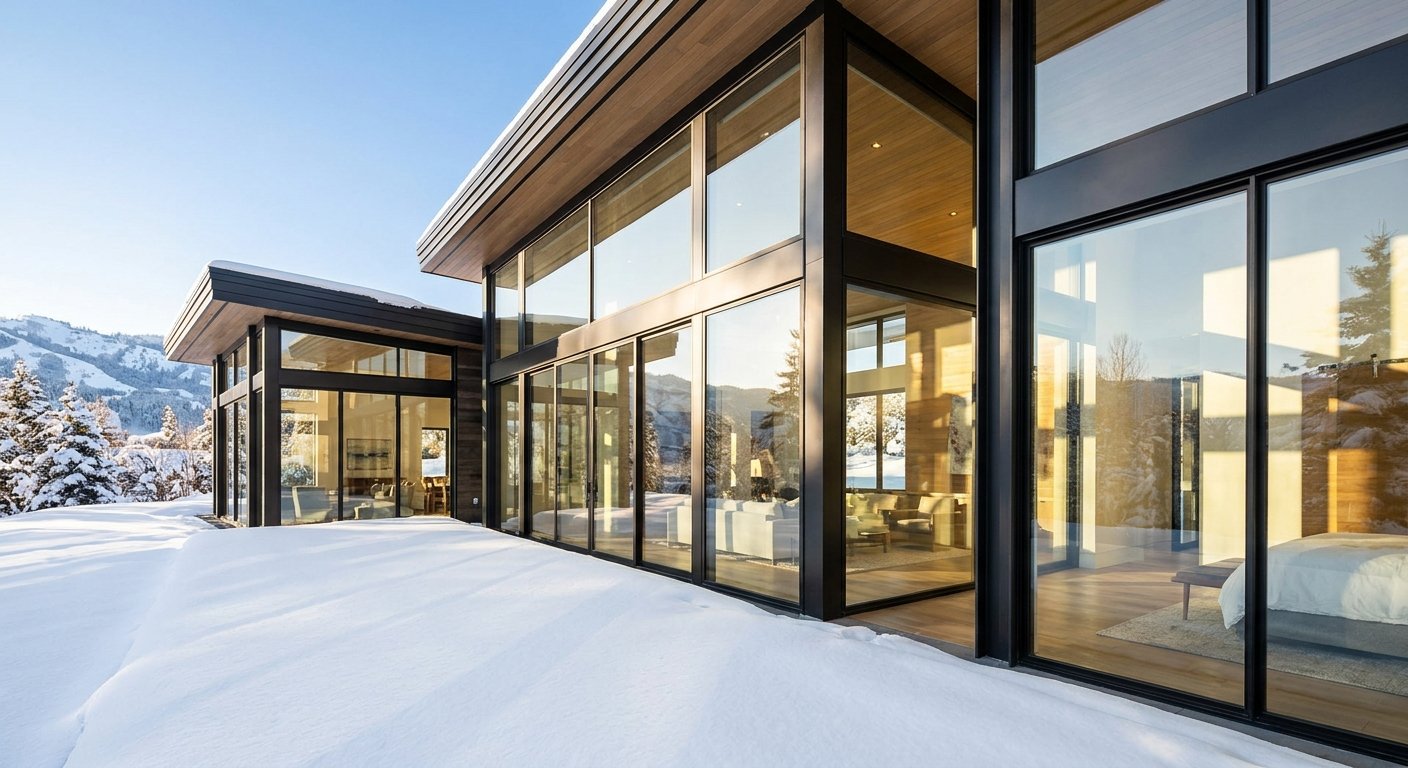
Energy Efficient Windows for Winter
When freezing temperatures settle over the United States, your home turns into a silent, costly battleground. Inside, your heating system works overtime to maintain a welcoming atmosphere. Outside, standard residential glazing acts as a massive thermal bridge, letting precious warmth escape while allowing icy drafts to creep in. For generations, American homeowners simply accepted skyrocketing winter utility bills and drafty living areas as an unavoidable tax on cold weather. However, modern building science offers a far superior alternative borrowed from the strict climate zones of Europe.
If you want to pull your home’s energy bills out of a tailspin, pulling high-performance glazing from Europe is one of the smartest upgrades you can make. The engineering philosophy over there is entirely different, changing the way a house handles freezing weather and keeping your family comfortable without relying entirely on your furnace. Let’s look at exactly how genuine European windows protect your living space when the weather turns brutal.
The Anatomy of Winter Heat Loss: Where Traditional Windows Fail
To appreciate the value of European engineering, we must first look at the inherent design flaws found in traditional windows.
During the coldest months, standard windows surrender your indoor warmth through three destructive pathways:
- Conduction: Heat energy moves directly through cheap frame materials and thin glass panes.
- Convection: Indoor air hits an icy pane of glass, cools down rapidly, sinks to the floor, and creates a circular draft that leaves your feet freezing.
- Air Infiltration: Gusty winter winds push freezing air right past loose seals. This doesn’t just create annoying cold spots; it drops the glass temperature so fast that you end up with pools of water and moisture-ruined trim on the inside.
European frame builders tackle these problems by throwing out the old design book. Instead of relying on loose tracks, they build systems focused around heavy mechanical compression, rubber gaskets that run the full perimeter, and thick, insulated frames.
What Makes European Window Engineering Different?
Windows built in Europe aren’t designed around style trends or cutting production costs down to the penny. They are built to survive strict energy laws that penalize leaky houses. Because of that pressure, European manufacturers developed a few key design standards that make standard local options look incredibly outdated:
1. The Power of Tilt-Turn Engineering
The definitive hallmark of premium continental fenestration is the tilt-turn operating system. Using a single, heavy-duty handle, the window can tilt inward from the top for secure ventilation, or swing open like a door for easy cleaning. However, its secret winter weapon lies in how it closes.
Unlike sliding configurations, tilt-turn windows lock into place using multi-point hardware around the entire perimeter of the frame. When you close the handle, the sash is mechanically compressed against thick, continuous EPDM rubber gaskets. This creates an airtight seal that completely stops winter drafts, making them arguably the best windows for cold climates on the market today.
2. Triple-Pane Glass and Smart Thermal Coatings
In many parts of the US, double-pane glass is still sold as a major upgrade, but it honestly falls short when handling a real winter freeze. To properly seal a house against sub-zero weather, moving up to triple-pane windows is the only logical step. Adding that third sheet of glass gives you an extra insulated chamber. When these spaces are filled with dense argon gas rather than basic air, they form a thick thermal barrier that slows down heat transfer significantly.
Furthermore, the glass surfaces are treated with microscopic layers of metal oxides, known as low-e glass. This smart coating acts as a thermal mirror: it lets natural sunlight enter to warm your home passively but reflects your interior furnace heat back into your rooms. To maximize this effect, incorporating specialized low-iron glass can also improve light clarity and maximize solar heat gain during short winter days.
 3. Deep, Insulated Multi-Chamber Profiles
 3. Deep, Insulated Multi-Chamber Profiles
A window is only as good as its frame. Standard thin vinyl profiles easily warp or crack under severe temperature swings. In contrast, heavy-duty European uPVC windows feature complex, internal webbed chambers that trap dead air, breaking the pathway of cold conduction.
For high-end architectural aesthetics, aluminum-clad wood windows provide the best of both worlds. They showcase the natural warmth and insulation of thick timber on the inside, shielded by a weather-resistant aluminum exterior. This structural depth ensures your frames remain perfectly straight and draft-free, even when faced with extreme sub-zero weather.
Secondary Benefits: More Than Just a Lower Heating Bill
While saving money on utility bills is the primary financial motivator, upgrading your exterior envelope with advanced high-performance energy-efficient windows transforms your daily living experience in several other ways:
- Goodbye Cold Drafts: By maintaining a warm surface temperature on the interior glass pane, you eliminate the indoor convection cycles that cause uncomfortable cold spots. You can sit right next to a massive picture window in January without feeling a chill.
- A Quiet Sanctuary: The exact same features that block freezing air, thick triple glass, multi-point locks, and dense gaskets, are highly effective at blocking acoustic vibrations. Heavy blizzards, howling winds, and street snowplows are reduced to a faint whisper, resolving common complaints about why your windows are noisy.
- Uncompromising Home Protection: The heavy-duty perimeter locking pins offer incredible structural resistance. When paired with tough laminated glass, these windows double as a fantastic home security barrier.

Navigating the Installation and Selection Process
Importing elite European products into the United States requires deep logistical knowledge and precise technical oversight. A high-tech window will fail to perform if it is not installed correctly within the building envelope. This is why working with an experienced partner like Hawkeye Windows and Doors makes all the difference.
From helping you sort through technical data sheets to organizing the importing and delivery phase, we ensure your custom systems arrive safely and integrate perfectly into your architecture. Property owners can browse our portfolio gallery to see real-world examples of these large-format European installations performing beautifully in diverse American climates.
If you are planning a net-zero project or trying to meet the tightest efficiency targets possible, you should check out our range of passive house windows. These heavily insulated setups are engineered specifically to meet global low-energy benchmarks, effectively locking heat inside so your HVAC system barely has to run.
A Serious Upgrade for Long-Term Home Comfort
It helps to stop looking at window replacement as just another cosmetic line item on a renovation checklist. In reality, your windows are core infrastructure. They directly dictate what it costs to run your house month after month, year after year. With utility prices jumping around and winter blizzards getting harsher across the country, building a tight, well-insulated thermal envelope is just common sense.
By shifting away from thin, leaky sliding sashes and moving toward high-compression continental engineering, you stop paying to heat the great outdoors. If you are preparing for an upcoming renovation or starting a custom new build, take a moment to read about us and discover how Hawkeye Windows and Doors can bring elite, cold-weather protection straight to your job site.