
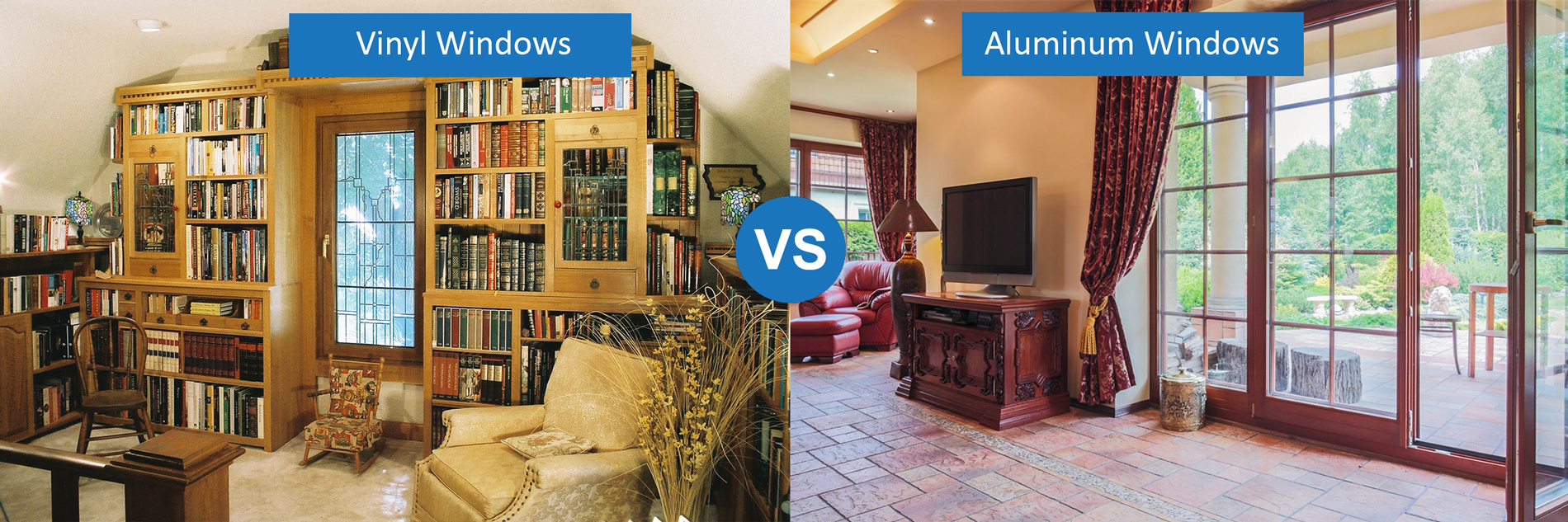
Vinyl Windows vs Aluminium Windows
Planning a major window replacement or building a custom home usually brings you face to face with a classic debate: vinyl windows versus aluminum windows. Both framing materials have built solid reputations across residential and commercial builds, yet they operate on vastly different engineering principles. Vinyl earned its market dominance through easy thermal insulation and low maintenance. Aluminum frame profiles bring structural stiffness, minimal visible sightlines, and flexible finish options. Picking between vinyl windows and aluminum windows comes down to whether your project calls for maximum insulation levels or ultra-thin frame lines. Below, we examine how both materials compare under real installation conditions.
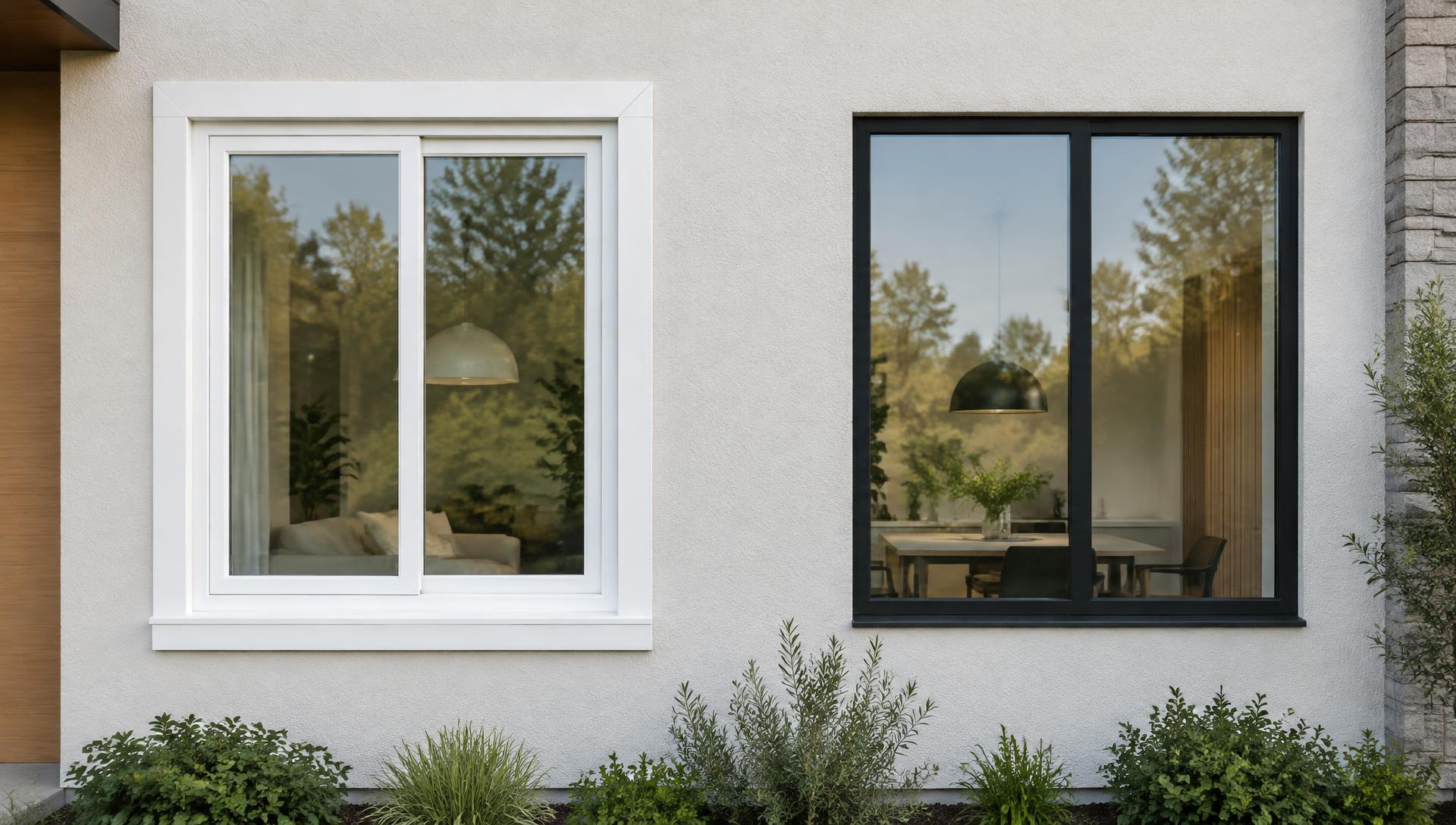
Thermal Efficiency & Insulation Performance: Vinyl Windows vs Aluminium Windows
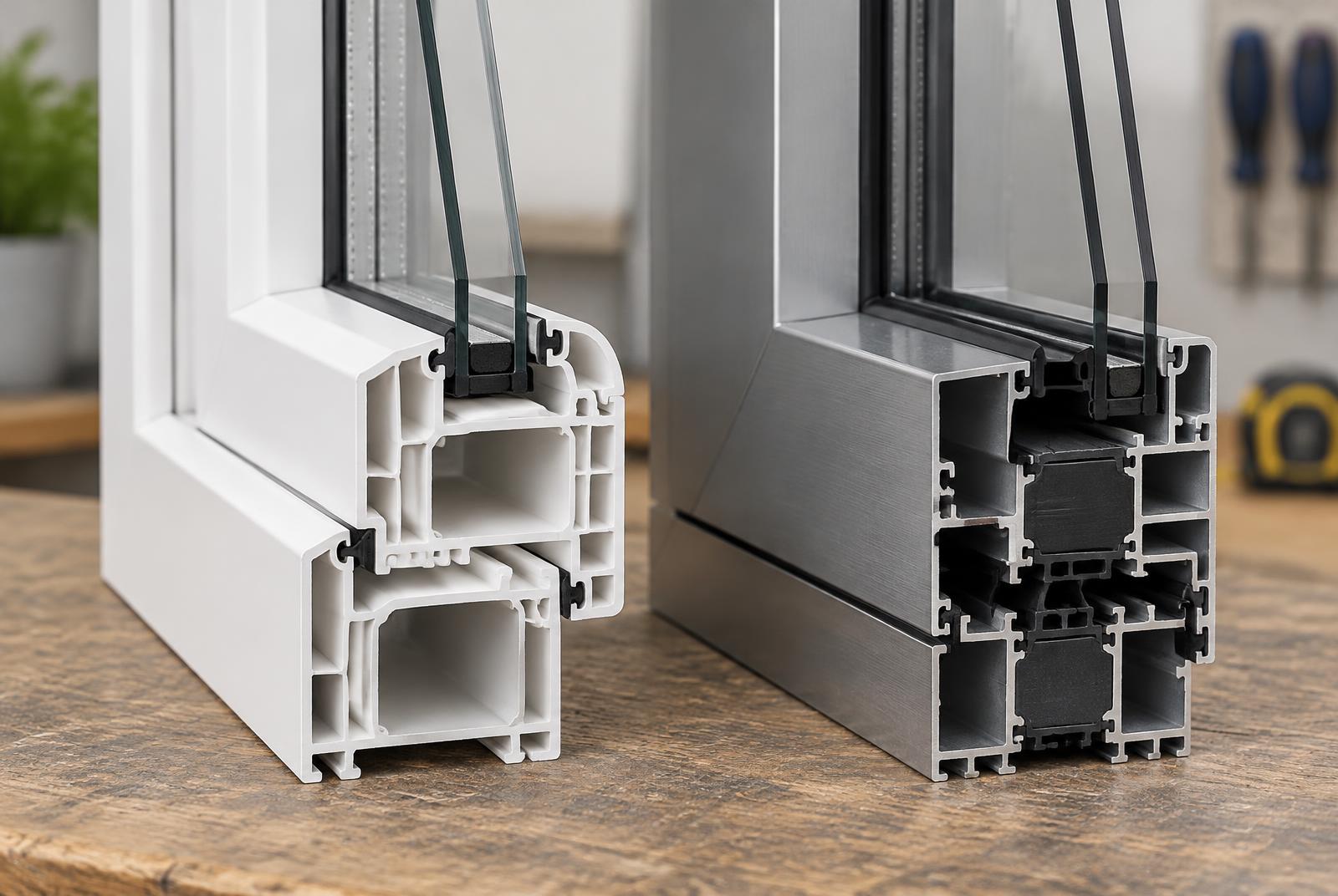
How well a frame resists heat loss comes down to basic material physics. Vinyl windows are extruded with hollow interior channels that trap stagnant air, cutting thermal exchange through the wall opening. Adding double or triple Low-E glass packs lets uPVC windows hold stable indoor temperatures through cold winters and hot summers alike.
Aluminum approaches thermal management differently because metals naturally conduct heat and cold quickly. Older aluminum frames earned a reputation for sweating indoors during winter because outdoor cold travelled straight through the raw metal profile. Modern architectural aluminum fixes this problem using thermal break technology. Manufacturing lines insert a dense, non-conductive polyamide strip directly between the inner and outer aluminum sections, blocking direct heat flow. Thermally broken aluminum keeps indoor air temperatures steady year-round, while high-tier vinyl frames keep a tiny advantage in raw U-factor testing.
Frame Strength, Profile Width, and Sightlines: Vinyl Windows vs Aluminium Windows
Large wall openings, floor-to-ceiling glass layouts, and wide sliding doors put high physical demands on window framing. Material stiffness matters most here. Aluminum extrusions carry remarkable weight without flexing or bowing, letting builders spec heavy triple-pane units even along high-wind coastal lots.
Because metal frames provide so much natural support, profiles can stay extremely narrow. Slim framing maximizes daylight entering interior spaces and creates the sleek, minimalist look favored in contemporary homes.
Vinyl requires wider profile walls and extra internal depth to support large glass units safely. Standard residential windows look proportioned and clean in vinyl. On oversized glass spans, however, broader vinyl borders eat into the view slightly more than slim metal profiles.

Weather Resistance & Long-Term Maintenance: Vinyl Windows vs Aluminium Windows
Neither vinyl windows nor aluminum windows require the constant sanding, scraping, or repainting associated with traditional timber frames. That said, both materials handle decades of exterior weather exposure in distinct ways.
Solid-color uPVC profiles won’t rust, chip, or rot over time. Quality vinyl blends incorporate UV stabilizers during extrusion to protect the material from fading or turning yellow under direct sunlight. The primary factor to consider with vinyl is thermal expansion. Vinyl frames expand and contract noticeably during sudden temperature shifts, which places subtle ongoing stress on frame corner seals and perimeter caulking across several decades of use.
Anodized metal finishes and tough factory powder coatings shield aluminum from chalking, pitting, or surface rust. Aluminum stays rigid in every season, it won’t swell during humid months or shrink when temperatures plunge, keeping frame seals locked tight year after year. Thanks to this physical rigidity, metal frames hold up exceptionally well in severe climate zones.
Color Options & Architectural Aesthetics: Vinyl Windows vs Aluminium Windows
Your choice of window framing shapes the overall style of your building facade. Aluminum sits naturally alongside contemporary designs. Crisp frame corners, thin profiles, and matte powder coatings fit right in with glass-heavy facades, exposed concrete, or dark architectural siding. Dual-color coating lets you match dark modern exterior cladding while keeping inside frame faces bright white or neutral.
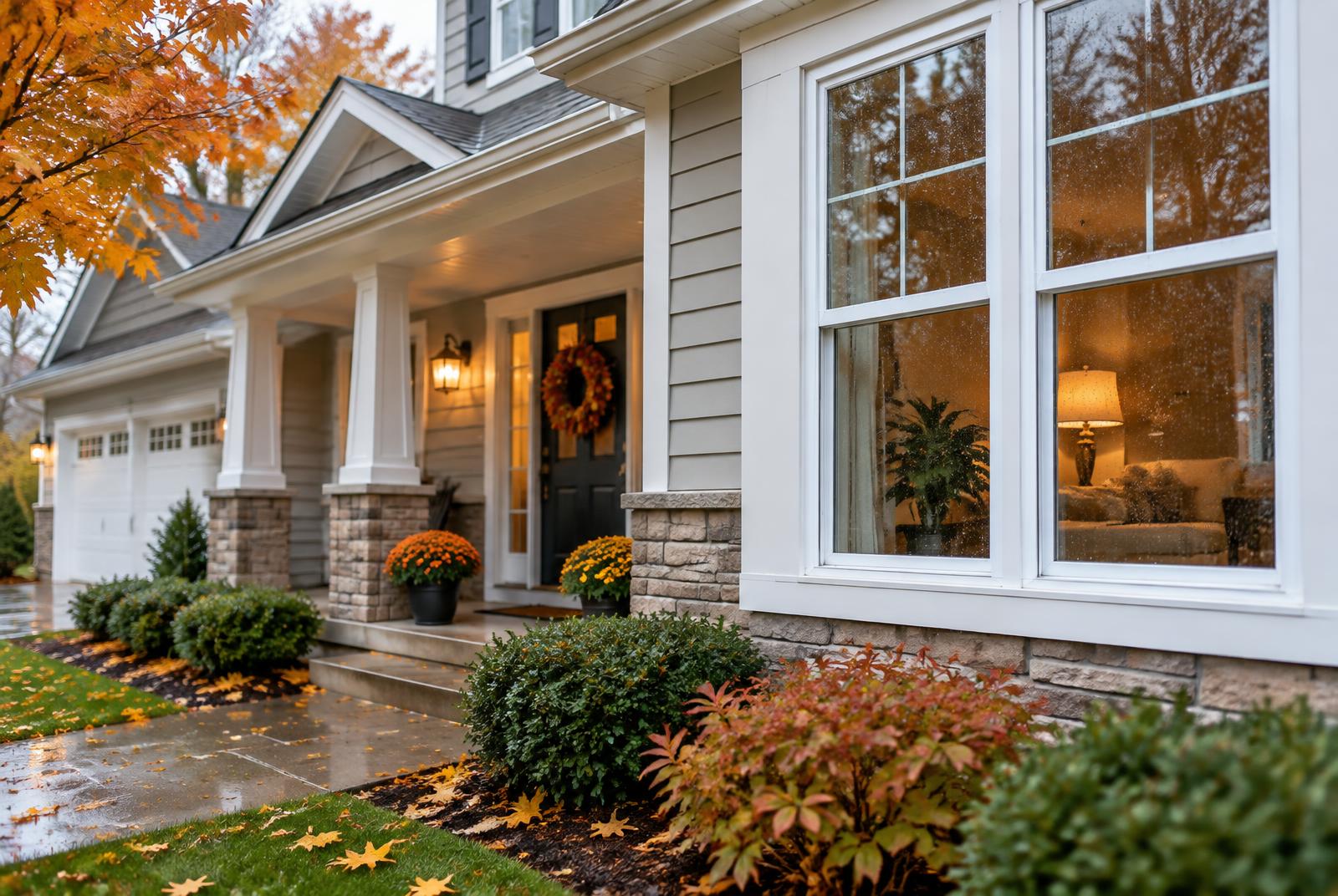
Vinyl used to mean basic white or tan plastic windows on suburban tract homes. Production lines have changed that entirely. Today, factory-applied laminates and UV foils give vinyl frames rich dark bronze, slate gray, or realistic oak textures that stand up to harsh sun exposure without peeling.
Cost Comparison & Return on Investment
Window costs run on two different tiers depending on profile manufacturing.
Standard vinyl frames cost less out the door. Low raw material prices and streamlined extrusion make vinyl the most cost-effective path to solid thermal insulation on everyday residential projects.
Thermally broken aluminum costs more up front. Polyamide insulation strips, structural alloys, and multi-step powder coating drive up production costs. Even so, metal’s long lifespan, zero shape distortion, and strength for wide glass spans deliver solid value on high-end custom properties.
Find Your Window Match at Hawkeye
Deciding between vinyl efficiency and aluminum strength comes down to site layout and glass sizes. Hawkeye Windows & Doors supplies custom-engineered vinyl and thermally broken aluminum window systems built for high thermal targets and clean sightlines.
Reach out to our technical team today to review frame samples, glass builds, and custom quotes for your build.


